Overview of World of Warcraft
World of Warcraft (WoW) has been a cornerstone of the MMORPG landscape since its release in 2004. Developed by Blizzard Entertainment, it has not only set the standard for online multiplayer experiences but has also evolved significantly over the years. This evolution is reflected in its gameplay mechanics, community engagement, and a wealth of expansions that have expanded its universe.
World of Warcraft’s core gameplay revolves around exploring the vast world of Azeroth, engaging in quests, battling monsters, and interacting with thousands of other players. Players create characters from different races and classes, each with unique abilities and stories. The game is structured around leveling up, acquiring gear, and teaming up with others to tackle challenging dungeons and raids.
In terms of major updates, WoW has seen numerous expansions since its inception:
- The Burning Crusade (2007) – Introduced the shattered world of Outland and two new races.
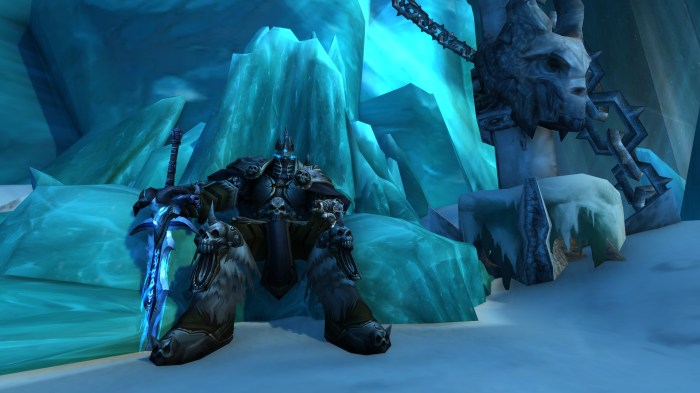
- Wrath of the Lich King (2008) – Featured the iconic character, Arthas, and the continent of Northrend.
- Cataclysm (2010) – Revamped the original world and added new high-level content.
- Mists of Pandaria (2012) – Introduced the Pandaren race and the Monk class.
- Warlords of Draenor (2014) – Focused on the alternate-timeline version of Draenor.
- Legion (2016) – Brought back the Burning Legion and introduced the Demon Hunter class.
- Battle for Azeroth (2018) – Highlighted the conflict between the Alliance and Horde.
- Shadowlands (2020) – Explored the realms of the afterlife.
- Dragonflight (2022) – Introduced the dragon-riding mechanic and the Dracthyr race.
Expansions and their Impact
Each expansion of World of Warcraft has brought significant changes and new features that have impacted gameplay and community dynamics.
The Burning Crusade opened up new horizons with the introduction of flying mounts and higher level caps, while Wrath of the Lich King is often praised for its strong narrative and memorable characters. Cataclysm’s world revamp was a bold move that reshaped the landscape, literally altering zones and questing experiences.
The responses from players have varied across expansions:
- The Burning Crusade: Generally well-received, with players excited about new content.
- Wrath of the Lich King: Often viewed as the high point in storytelling.
- Cataclysm: Mixed responses due to drastic changes to beloved zones.
- Mists of Pandaria: Appreciated for its humor and lore, though some felt it strayed too far from traditional themes.
Key gameplay changes across expansions have included the introduction of new classes, changes to talent systems, and adjustments to game mechanics such as itemization and PvP systems. These changes not only refresh the game but also keep the community engaged.
The Evolution of Game Design: World Of Warcraft – The Classic MMO That Continues To Evolve With New Expansions.
World of Warcraft has consistently adapted to the advancements in gaming technology and player expectations. The visual style has evolved from its original graphics to a more polished look, leveraging improved hardware capabilities.
Player feedback has been a cornerstone of WoW’s development. Blizzard has regularly incorporated community suggestions into updates, refining mechanics and introducing quality-of-life improvements. For example, the introduction of the Looking for Group tool streamlined the process of finding players for raids and dungeons.
Graphics and storytelling have seen substantial advancements:
- Graphics: Transitioning from a stylized aesthetic to more detailed textures and animations.
- Gameplay: Enhancements such as dynamic events and more engaging quest lines.
- Storytelling: Expanding lore through cinematics and character arcs that resonate with players.
Community and Social Aspects
The social structures within World of Warcraft are fundamental to its enduring success. Guilds play a crucial role, providing players with a sense of belonging and a platform for collaboration.
Community events, such as the annual BlizzCon, foster player engagement and celebrate shared experiences. These gatherings not only highlight in-game achievements but also strengthen player relationships outside the game.
Player interactions greatly influence the game’s environment. The dynamics within guilds can lead to friendships that extend beyond the virtual world and impact how players approach challenges and raids. This social fabric contributes to WoW’s rich culture, making every player’s journey unique.
Future Prospects for World of Warcraft
As the gaming industry evolves, World of Warcraft faces challenges and opportunities that may shape its future. Trends such as the increasing popularity of mobile gaming and the rise of battle royale formats could influence future expansions.
Speculating on potential new features, players might see enhancements in artificial intelligence for NPCs, more immersive storytelling, or even augmented reality components that blend the real world with Azeroth.
Maintaining player interest remains vital for WoW’s longevity. Blizzard continues to innovate, ensuring that both new and veteran players feel valued and engaged.
Comparison with Other MMOs
World of Warcraft distinguishes itself from other MMOs through its expansive lore, character diversity, and immersive world design. While games like Final Fantasy XIV and Guild Wars 2 offer strong narratives, WoW’s blend of rich storytelling with vast exploration opportunities is unmatched.
Unique features such as the extensive raid mechanics, the auction house system, and a dynamic economy set WoW apart. Player communities in different MMOs exhibit distinct cultures, often reflective of the game’s design; for instance, WoW’s community often emphasizes raiding and PvP, whereas others may focus on crafting or exploration.
Influence on Gaming Culture
World of Warcraft has shaped online gaming culture significantly over the years. Its influence is evident in the proliferation of MMORPGs and the establishment of online communities that focus on cooperative play.
Numerous references to WoW appear in popular media, including TV shows, movies, and memes, showcasing its cultural impact. Moreover, the friendships and relationships that blossom within the game often transcend the digital realm, forming lasting connections that enrich players’ lives.
Tips for New Players
Embarking on the adventure of World of Warcraft can be daunting for new players. Here are essential tips to help navigate this expansive world:
- Choose the Right Race and Class: Understanding the strengths and weaknesses of different races and classes can greatly affect your gameplay experience.
- Utilize Resources: Websites like Wowhead and forums are invaluable for guides and tips on quests and builds.
- Join a Guild: This can provide support, friendship, and access to group content that enhances your journey.
Starting races and classes significantly shape the player experience, influencing playstyle and interactions. With the right approach and resources, new players can quickly find their place in Azeroth and enjoy all that WoW has to offer.